Digital Autonomy
Understanding Belgium's digital dependency and reshaping our tomorrow

Sovereignty
Caterer Mike and the Alphabet Soup

On vendor lock-in and enshittification, without a single line of tech. A story about a caterer, a vanished kitchen and the price that never appears on the invoice.
Analysis Government Requests for Customer Data
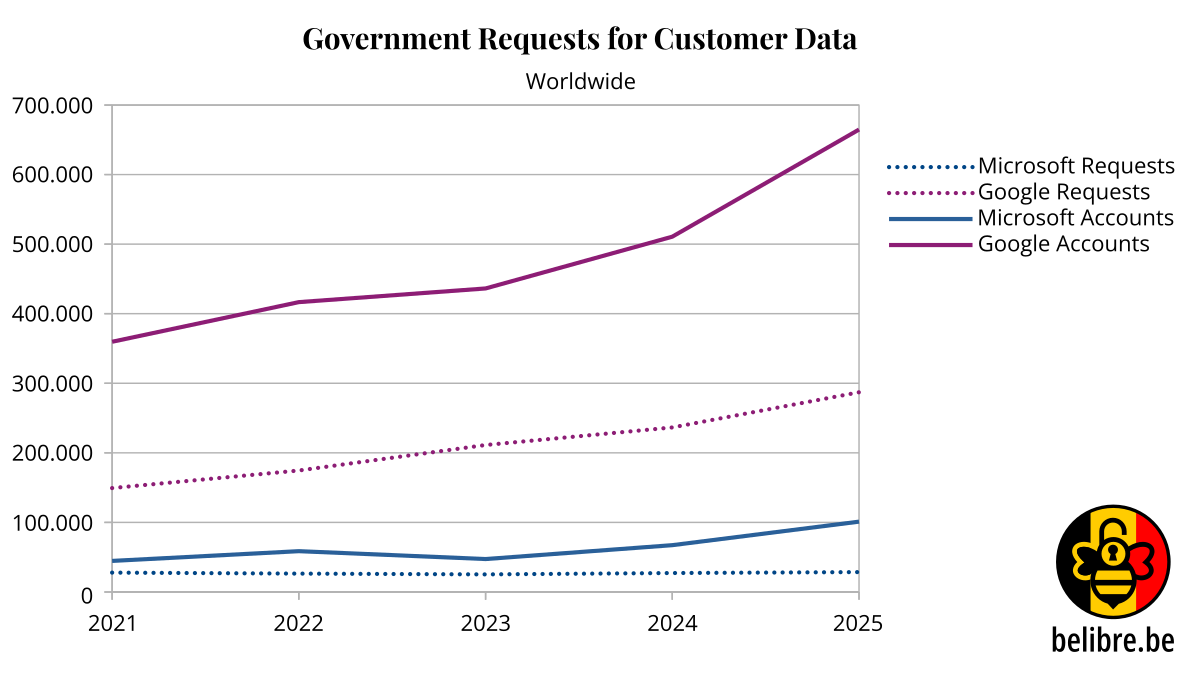
An analysis of US extraterritorial laws (FISA 702, the CLOUD Act, and Executive Order 12333) and their impact on Belgian and EU data sovereignty.
Europe Measures Digital Sovereignty. Why Doesn’t It Publish the Results?
On April 17, 2026, the European Commission awarded a €180 million tender to four European cloud providers: Post Telecom (Luxembourg), StackIT (Germany), Scaleway (France), and a consortium led by Proximus (Belgium). This was the first procurement process where digital sovereignty was explicitly …
What Academia Now Tells Governments About Digital Dependency
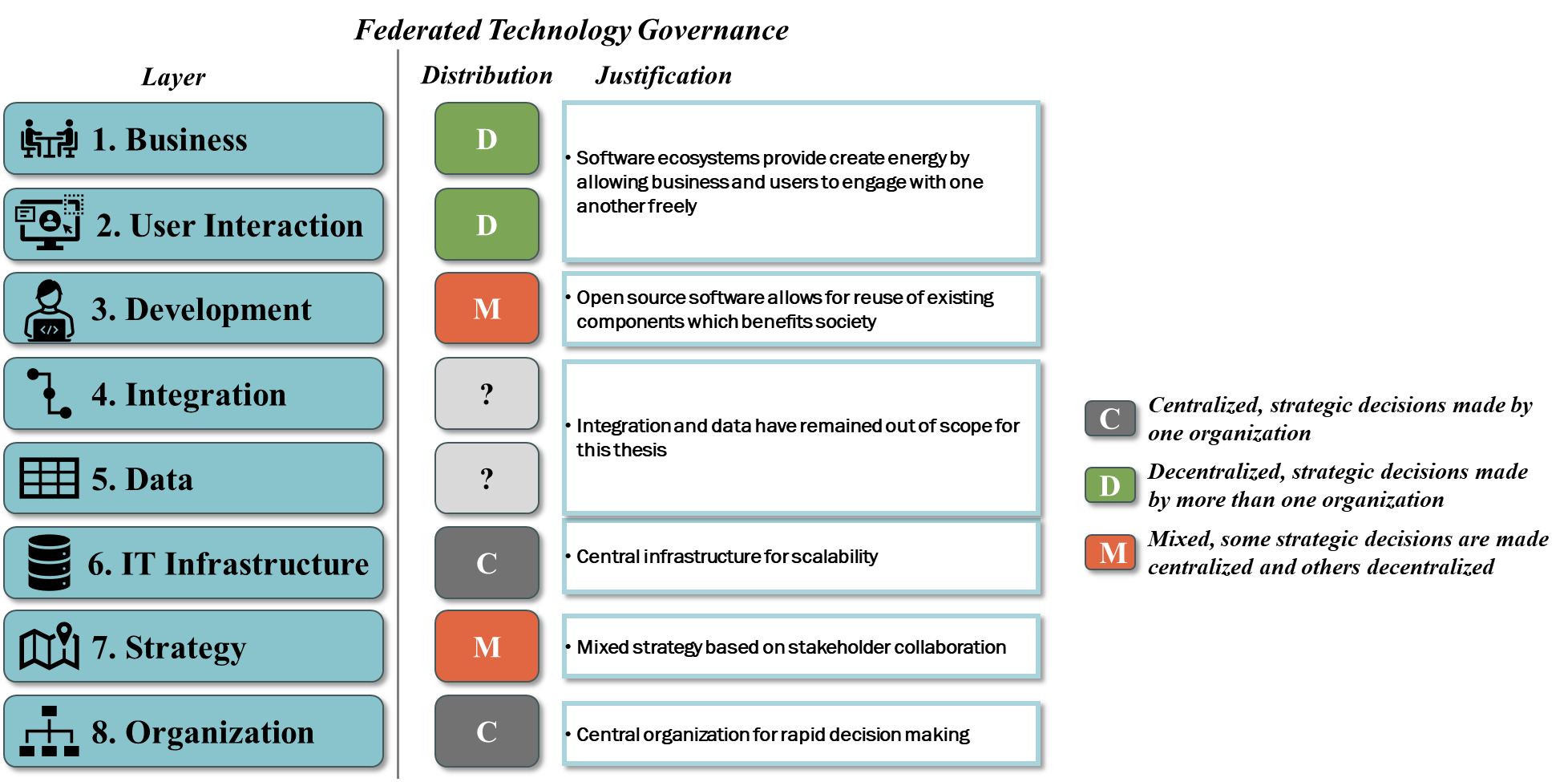
Things are starting to shift in the field of digital dependency. The conversation in the public sector has moved from civil society warnings to parliamentary reports, from IT conferences to cabinet agendas. Academia was tracking this before it became a policy priority: Paul van Vulpen began …
The end of MS Office in sight? Germany chooses ODF, the Netherlands lacks courage.
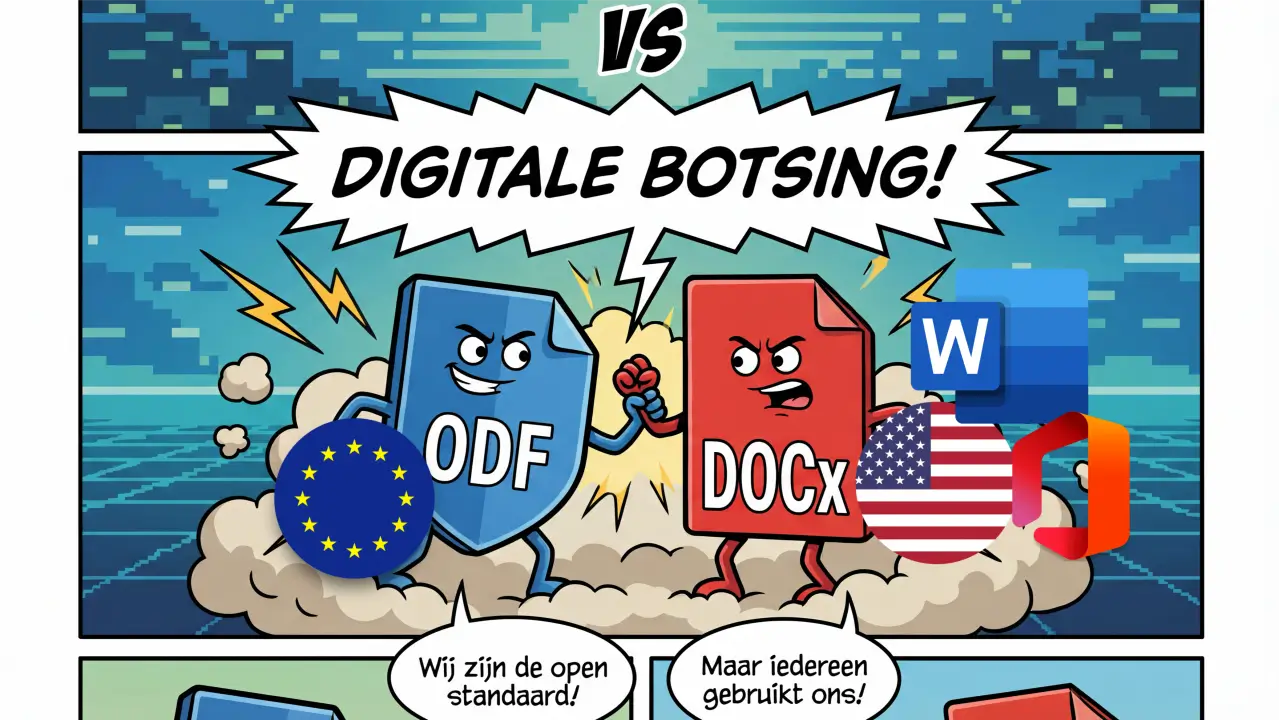
This guest contribution was republished from LinkedIn with permission from the author. This month, the German federal government announced a notable decision through the so-called Deutschland-Stack: across all levels of government, from federal ministries down to municipalities, only two document …
What Could Possibly Go Wrong? When Geopolitics Hits Your Cloud, HR and Bank Account
The Reality of Digital Dependency DNS records from the previous article paint a clear picture: over 70% of Belgian public institutions (e.g. hospitals, police, schools, defence, municipalities) rely on Microsoft’s cloud for daily operations. Systems run smoothly. Salaries arrive, patients receive …
Beyond the Marketing: Measuring Microsoft’s Cloud Sovereignty in Europe
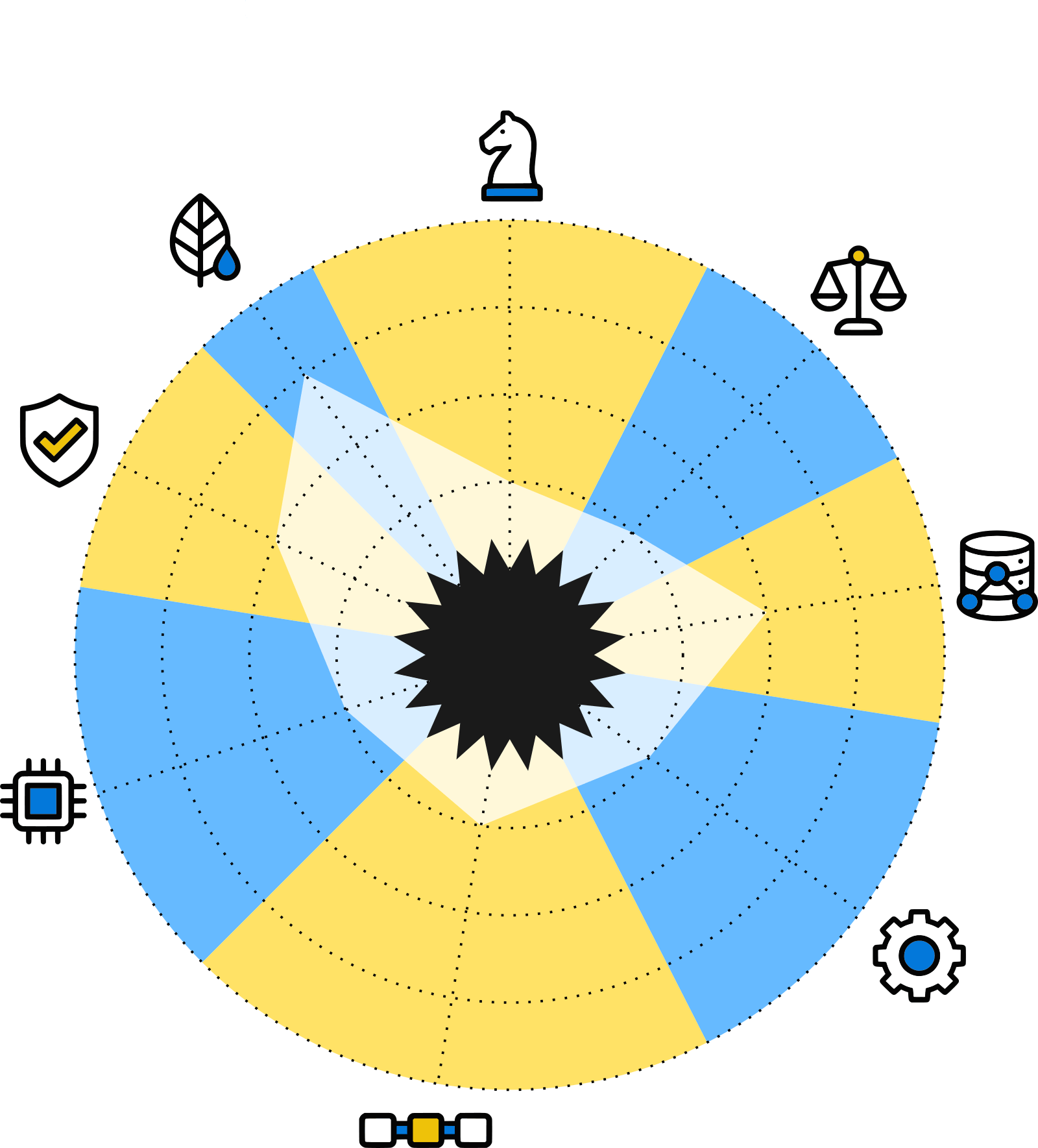
Digital sovereignty in Europe will not be decided in press releases, but in procurement choices and legal detail. BeLibre has applied the European Commission’s Cloud Sovereignty Framework to Microsoft’s cloud stack and produced a full SEAL‑based assessment across all eight sovereignty objectives. …
Belgium Can’t Afford Microsoft to Go Down: A Wake-Up Call on Digital Sovereignty
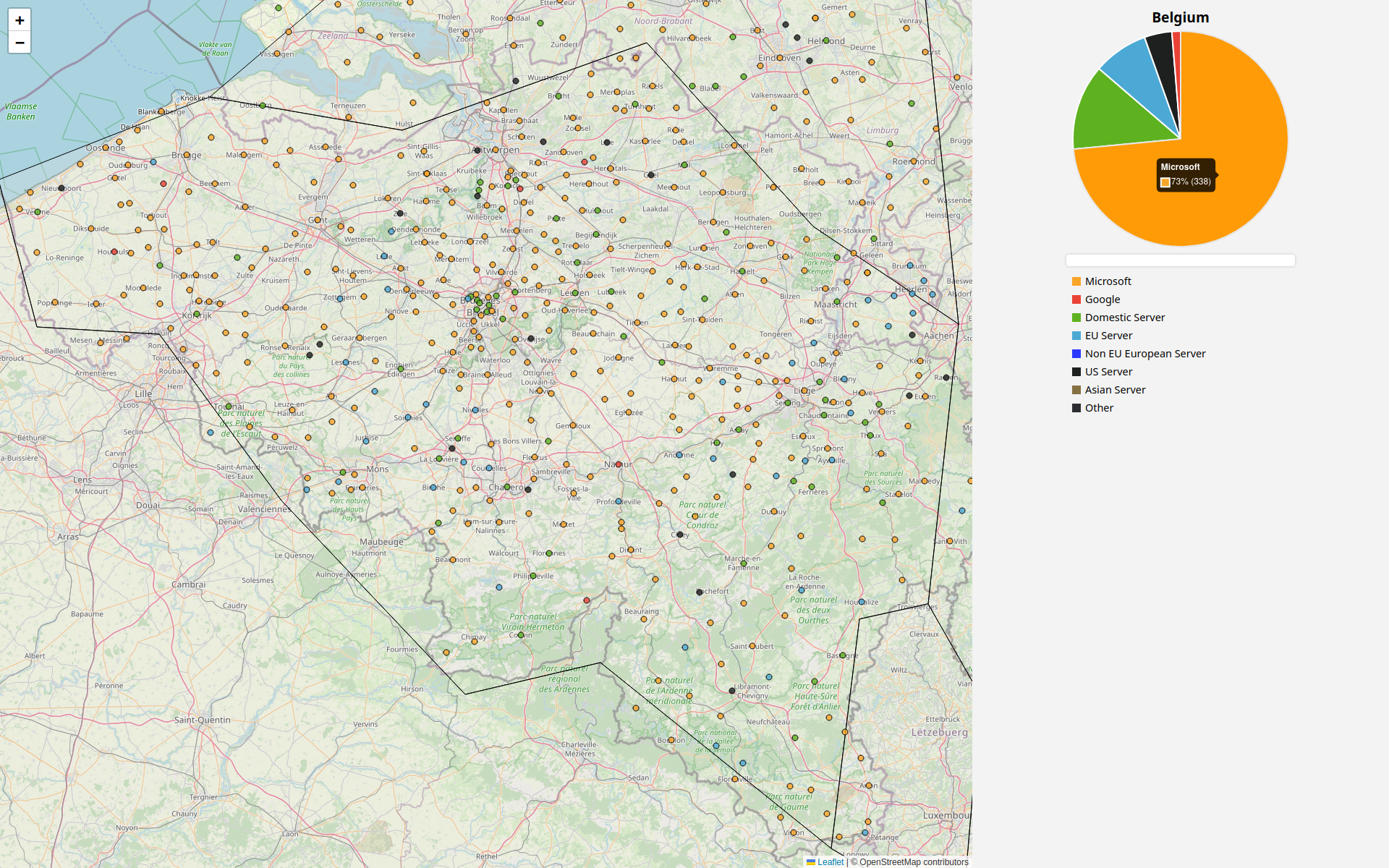
So we’re using Microsoft at the Belgian government? So what, that’s not a bad thing, is it? I mean, it does a great job and everybody uses it. Right? After all, it’s the safe option. “Nobody ever got fired for choosing IBM Microsoft. “Hey US, I thought we were friends?” This question isn’t …
-
Caterer Mike and the Alphabet Soup
On vendor lock-in and enshittification, without a single line of tech. A story about a caterer, a vanished kitchen and the price that never appears on the invoice. -
Analysis Government Requests for Customer Data
An analysis of US extraterritorial laws (FISA 702, the CLOUD Act, and Executive Order 12333) and their impact on Belgian and EU data sovereignty. - Europe Measures Digital Sovereignty. Why Doesn’t It Publish the Results?
- What Academia Now Tells Governments About Digital Dependency
- The end of MS Office in sight? Germany chooses ODF, the Netherlands lacks courage.
- What Could Possibly Go Wrong? When Geopolitics Hits Your Cloud, HR and Bank Account
- Beyond the Marketing: Measuring Microsoft’s Cloud Sovereignty in Europe
- Belgium Can’t Afford Microsoft to Go Down: A Wake-Up Call on Digital Sovereignty